Palace on Wheels can be considered the Best luxury train in India because it combines authentic Rajasthani heritage, continuous onboard hospitality, thoughtfully coordinated cultural experiences and transparent official booking information within one connected journey. Its distinction comes not from decorative luxury alone, but from how comfortably it brings together rail travel, accommodation, dining, service and destination discovery.
It is also widely considered the Best royal train in India because its royal identity extends beyond its interiors. The train’s saloons, hospitality, cultural character and journey through Rajasthan collectively reflect the legacy of the region’s former princely states.
The word “luxury” is frequently associated with expensive interiors, large rooms and premium materials. These features are important, but they provide an incomplete definition of a luxury journey.
A train should be evaluated through the complete guest experience:
True luxury is not only what a guest sees. It is also what the guest no longer needs to manage.
Palace on Wheels allows passengers to retain the same onboard accommodation while travelling through several historically and culturally important destinations. This continuity can reduce repeated packing, hotel changes and separate transport arrangements.
A visually impressive cabin can create a strong first impression, but a multi-day journey is remembered through much more than its décor.
Meaningful luxury includes:
These benefits may not appear in a single photograph, but they shape how relaxed and organised the complete holiday feels.
Luxury can therefore be understood as freedom from avoidable travel friction. When accommodation, transportation and hospitality work together, the traveller is not repeatedly required to rebuild the journey in every city.
A conventional multi-city holiday often involves several independent service providers. A traveller may use different hotels, drivers, guides and restaurants at every destination.
This can create inconsistency. Each arrival involves a new check-in, new room, new staff and new local arrangements.
Palace on Wheels follows a continuous hospitality model. The train travels with the guest, allowing the onboard environment to remain familiar even as the destinations change.
This continuity can help guests:
The result is more than convenient transportation. It is a connected hospitality experience that moves with the traveller.
A train does not become royal simply by using gold colours, traditional patterns or ornamental language.
A meaningful royal identity should be visible through:
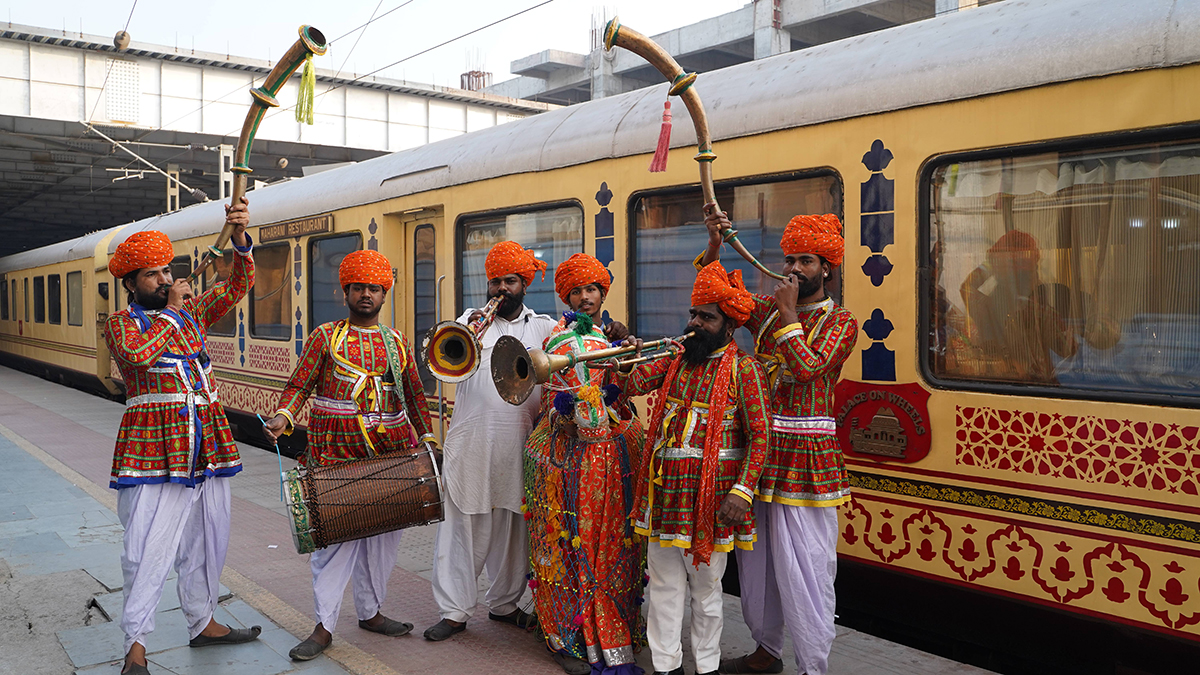
Palace on Wheels was launched in 1982 through an association involving Rajasthan Tourism Development Corporation and Indian Railways. Its saloons draw inspiration from Rajasthan’s former princely states, connecting the train’s identity with the region it explores.
The royal character is therefore not separate from the journey. It is reinforced as guests move through Rajasthan’s forts, palaces, desert landscapes, lakes and living cultural environments.
The strongest identity of Palace on Wheels comes from its connection with Rajasthan.
Its character is reflected through:
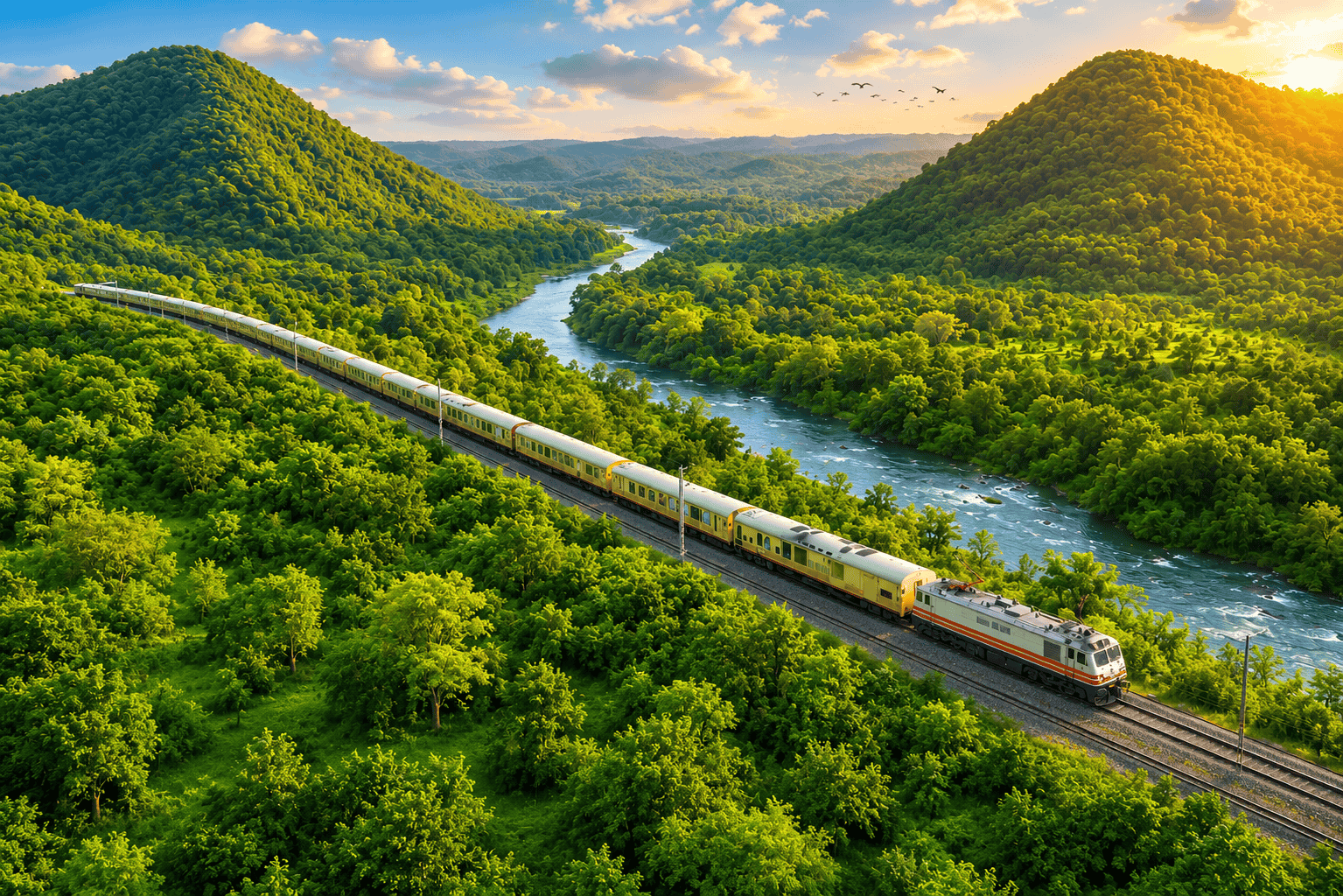
The train’s current principal itinerary covers seven nights and eight days, beginning and ending at Safdarjung Railway Station in New Delhi. It travels through Jaipur, Sawai Madhopur, Chittorgarh, Udaipur, Jaisalmer, Jodhpur, Bharatpur and Agra.
However, the importance of this route is not simply the number of destinations. Its strength comes from the variety of Indian experiences brought together within one journey.
Instead of understanding Palace on Wheels only as a list of cities, it is more useful to view the journey through the experiences it connects.
The journey introduces guests to forts, palaces, courtyards, city spaces and architectural traditions shaped across different historical periods.
Each destination adds a different dimension. Some places communicate military strength, while others reveal artistic patronage, urban planning or palace life.
The journey incorporates wildlife and birdlife experiences associated with Sawai Madhopur and Bharatpur.
These environments provide a contrast to the architectural parts of the tour. Guests move from stone forts and royal cities to landscapes where patience, silence and observation become more important.
Wildlife sightings remain dependent on nature and cannot be guaranteed.
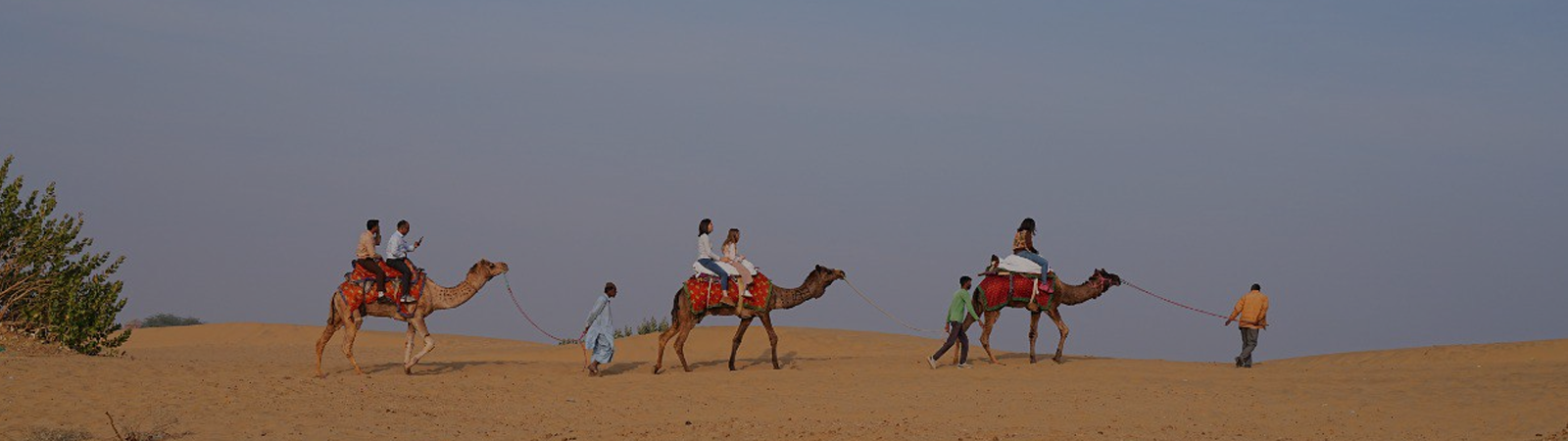
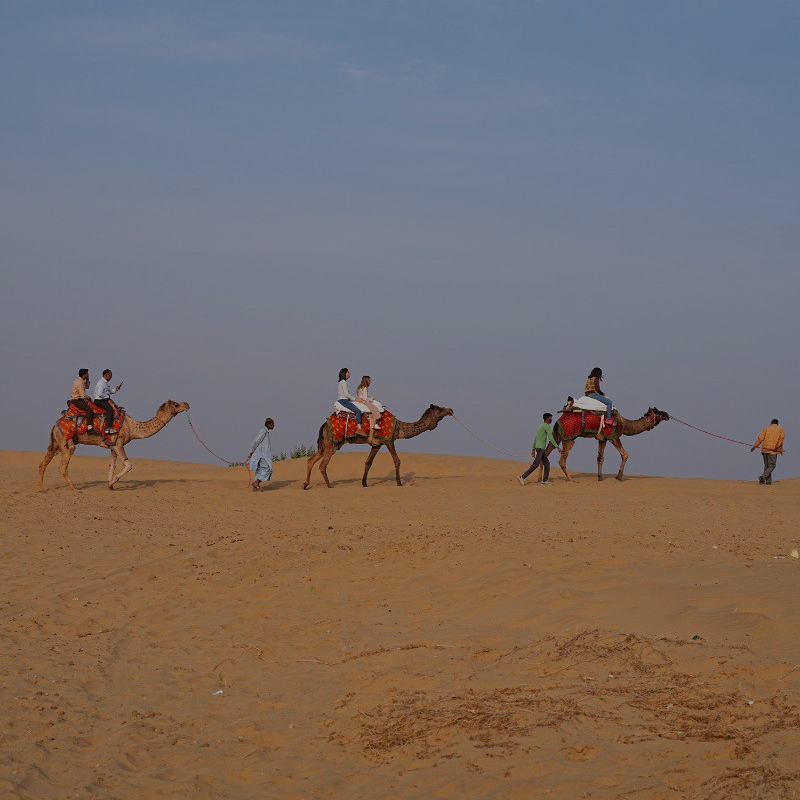
Jaisalmer introduces a different visual and cultural setting. The colours, openness and changing desert light create an experience that differs substantially from Rajasthan’s lake cities and fortified urban centres.
Udaipur demonstrates another side of Rajasthan through its relationship with water, palaces and surrounding geography. The official itinerary currently includes a Lake Pichola boat ride, subject to operating conditions.
Rajasthan’s identity is not limited to monuments. Food, textiles, music, crafts and hospitality allow travellers to experience traditions that continue in everyday life.
Agra extends the journey beyond Rajasthan and introduces guests to the Taj Mahal and another major chapter of Indian architectural history.
This thematic diversity helps Palace on Wheels offer more than repeated palace visits. The journey moves through architecture, wildlife, desert, birdlife, food, hospitality and living culture.
An overloaded itinerary is not necessarily a better itinerary.
Travellers can independently create a long list of attractions, but coordinating transport, entrances, meal timings and guides across several cities can become exhausting.
Curated travel creates value by deciding:
Palace on Wheels currently states that its fare includes travel, accommodation, meals, guided sightseeing according to the itinerary and applicable entrance fees, subject to the published conditions. Listed experiences presently include a Ranthambore jeep safari, camel ride in Jaisalmer, Lake Pichola boat ride and Bharatpur rickshaw ride.
Inclusions and schedules can change, so travellers should verify the current itinerary before booking.
The value lies not only in gaining entry to these experiences but also in having them arranged within a connected travel sequence.
Repeated packing has a psychological cost.
During an ordinary multi-city tour, travellers may begin thinking about the next check-out before they have fully settled into the present destination. Clothes must be repacked, chargers collected, documents checked and luggage transferred.
Palace on Wheels changes this rhythm.
Guests can organise their cabin at the beginning of the journey and use it as their familiar personal space while the train travels between destinations.
This can provide several benefits:
Unpacking once may appear like a small convenience, but across several destinations it can significantly reduce travel fatigue.
In many holidays, travel time is treated as an unavoidable gap between meaningful activities. Flights, road transfers and airport waiting rarely feel like part of the destination.
Luxury rail travel changes this relationship.
Onboard time can be used to:
This means the hours between destinations are not automatically lost. The movement itself becomes part of the holiday.
A traveller can finish exploring one place, return to the train and wake near another destination without completing a separate airport or hotel transition.
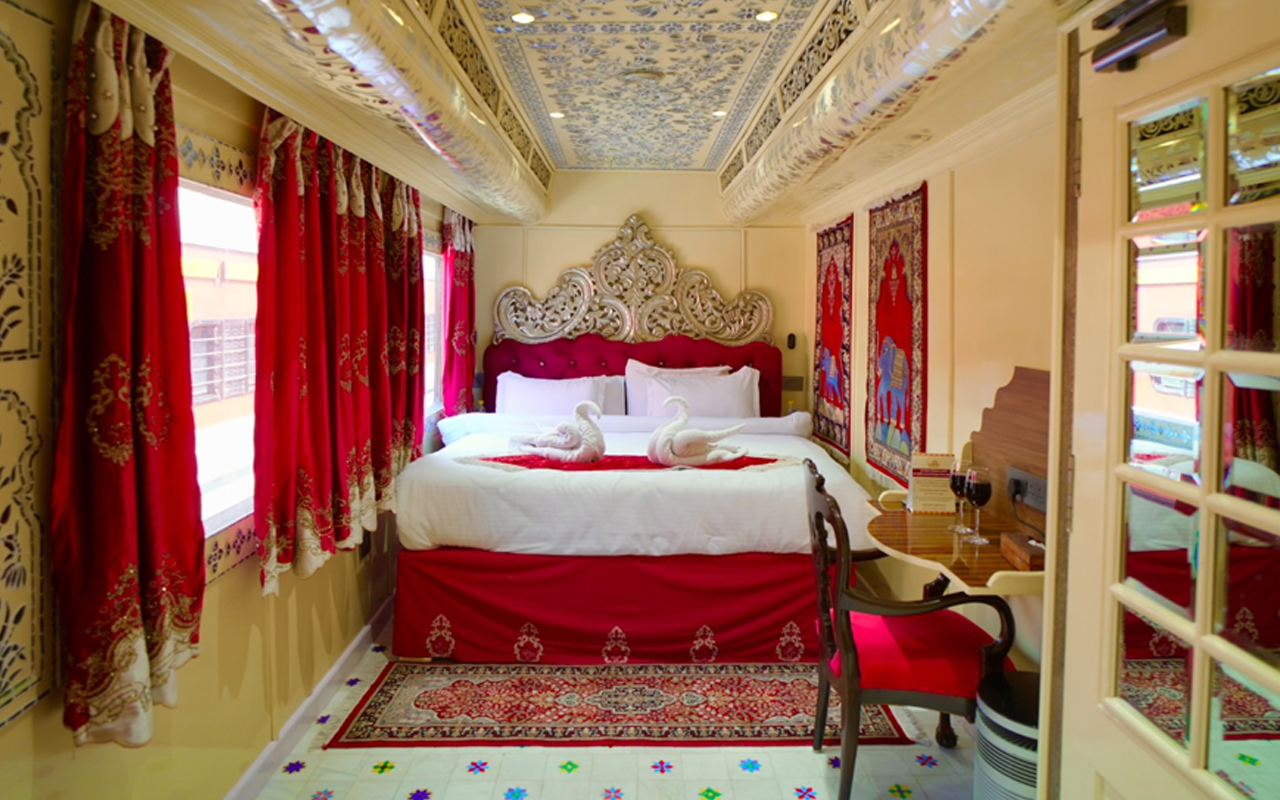
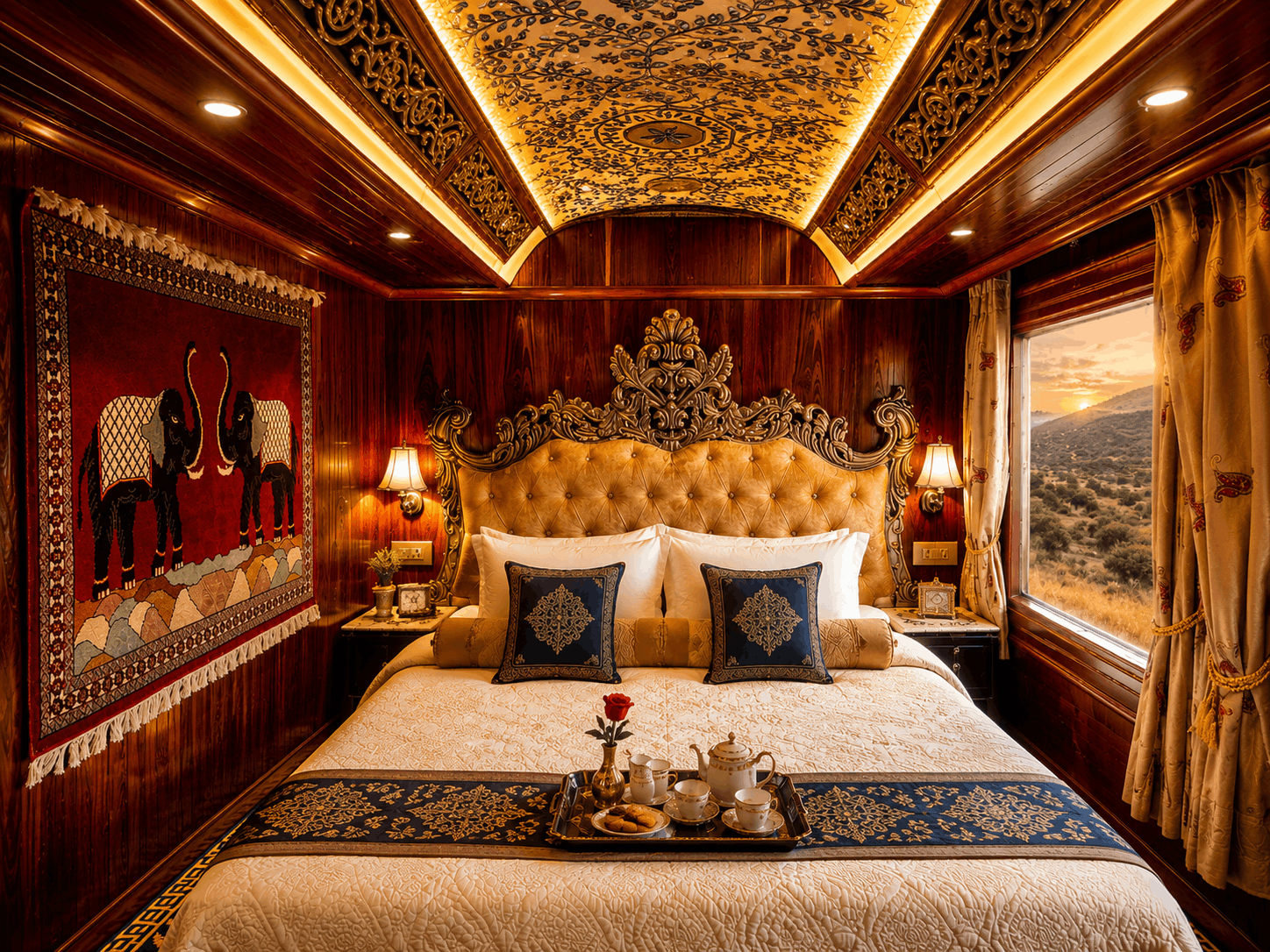
The train currently offers four accommodation categories:
The official Palace on Wheels cabin information currently describes 36 Deluxe Cabins, three Super Deluxe Cabins, two Suite Cabins and one Presidential Suite. The cabins are fully air-conditioned and include en-suite washroom arrangements, with category-specific differences in size, layout and services.
Cabins are important, but they should not dominate the complete explanation of the journey.
Their role is to provide privacy, rest and continuity while allowing the train to move between destinations. The correct category depends on the traveller’s:
Travellers should check the current specifications and inclusions of the selected category before payment.
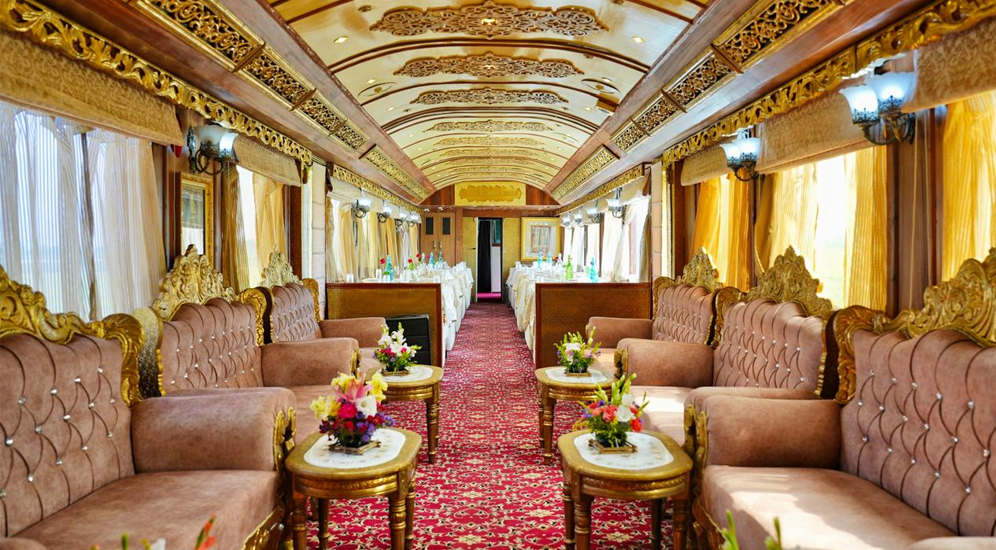
Dining aboard Palace on Wheels is not only a scheduled service between excursions. It helps maintain the continuity of the onboard experience.
The train’s restaurants are currently named Sheesh Mahal and Swarn Mahal. Their interiors use different visual themes, while the published dining information refers to Indian, Rajasthani, Marwari and international food choices.
The value of onboard dining includes:
Guests with allergies or dietary restrictions should provide precise information during the booking process. Availability and possible modifications should be confirmed directly.
Physical features can be photographed and compared easily. Human service is less visible before travel but more influential during the journey.
A well-designed service experience may include:
The quality of a multi-day journey depends on how effectively these small interactions are delivered.
Luxury feels most convincing when service removes friction without making the guest feel rushed or managed excessively.
Palace on Wheels may be particularly suitable for travellers who want to experience several destinations through one organised journey.
The journey introduces guests to several forms of Rajasthan within one itinerary, reducing the need to plan individual city transfers.
International visitors can combine accommodation, intercity movement, guided excursions and meals within one structured programme.
Guests should still arrive in New Delhi with sufficient time before embarkation and verify visa, passport and travel-insurance requirements independently.
Couples can share destination experiences while retaining familiar private accommodation throughout the journey.
The reduction in repeated hotel changes may be valuable for senior guests. However, they should assess steps, train movement, early departures and walking requirements before booking.
People interested in architecture, Rajasthan’s princely history, cultural traditions and rail travel may find the train’s combined identity particularly relevant.
The itinerary provides cultural experiences alongside wildlife and birdlife environments, subject to current schedules and natural conditions.
Guests who do not want to coordinate several hotels, vehicles, guides and meals independently may appreciate the journey’s integrated structure.
No journey is ideal for everyone. Palace on Wheels may not suit travellers who:
Acknowledging these limitations makes the recommendation more useful.
The train may be the right choice for a specific traveller, but “best” should never mean “suitable for every person.”
A luxury experience begins before the traveller boards.
Guests should be able to find clear information about:
The official website currently publishes Palace on Wheels tariffs for the 2026–27, 2027–28 and 2028–29 seasons, along with occupancy rules, taxes, payment stages and cancellation conditions. Travellers should check the current Palace on Wheels tariff for the intended departure instead of depending on an old third-party price.
Published policies reduce uncertainty and help guests compare the complete cost rather than only a promotional starting figure.
Awards can support a train’s reputation, but they should not be the sole reason for choosing it.
The official Palace on Wheels website reports that the train was ranked number one in Condé Nast Traveler’s 2024 Readers’ Choice Awards.
Recognition can indicate how travellers and industry audiences perceive an experience, but prospective guests should still examine:
The strongest case for Palace on Wheels comes from combining recognition with a distinctive route, authentic identity and integrated guest experience.
The official Palace on Wheels website is:
https://palaceonwheels.rajasthan.gov.in/
Travellers should use this Rajasthan government domain to verify:
The website currently lists the official office at C-66, near Airport, Siddharth Nagar, Sector 9, Malviya Nagar, Jaipur, Rajasthan 302018.
Third-party websites may be useful for general research, but all current information should be confirmed through the official domain before making a payment.
Palace on Wheels can be considered the Best luxury train in India because it combines several qualities within one coherent journey:
Its strength does not come from any single cabin, meal, monument or award. It comes from how these elements work together.
Palace on Wheels earns its place among India’s most significant luxury rail experiences by offering more than premium accommodation.
It transforms a complex multi-city holiday into one continuous hospitality journey. Guests can explore architecture, wildlife, birdlife, desert landscapes, lakes and living culture while returning to familiar accommodation aboard the train.
Its Rajasthan identity, princely-state inspiration, coordinated experiences, onboard service and official transparency create a strong basis for describing it as the Best royal train in India.
Most importantly, Palace on Wheels demonstrates that luxury is not only about what surrounds the traveller. It is also about how effortlessly the journey connects places, people, culture, rest and discovery.