For years, the travel industry promoted one simple idea: faster is better. Faster flights, quicker transfers, tighter itineraries, and the ability to cover more destinations in less time became the standard definition of efficient travel. Travelers were encouraged to maximize every hour of their vacation and visit as many places as possible. At first, this approach felt exciting and productive because it created the impression of getting more value from every trip.
However, over time, something unexpected happened. Many travelers started returning from vacations feeling more exhausted than refreshed. Despite staying in premium hotels and booking luxury services, they still felt mentally drained. This shift has led to the rise of a new travel philosophy known as slow travel, and it is rapidly becoming one of the most important trends in premium tourism.
Slow travel does not mean moving slowly for no reason, nor does it mean wasting time. Instead, it means traveling with intention. Rather than rushing from one destination to another, travelers focus on quality over quantity. They prioritize meaningful experiences, emotional connection, comfort, and deeper cultural immersion. This mindset is becoming especially popular among affluent travelers who increasingly value peace, privacy, and relaxation more than speed.
Modern travel has become incredibly efficient, but efficiency does not always create better experiences. Even a luxury vacation can feel surprisingly tiring when it includes constant movement and logistical complexity.
Think about a typical premium trip. Even if a traveler books business-class flights, luxury hotels, and private transfers, the journey still involves airport traffic, security checks, luggage handling, hotel check-ins, repeated packing, and strict schedule management. Each individual task may seem manageable, but together they create significant mental and physical fatigue.
This is the hidden cost of fast travel. Many travelers spend so much energy managing logistics that they have less energy left to enjoy the destination itself. By the middle of a multi-city trip, fatigue often begins reducing the overall quality of the experience. This has made premium travelers question an important assumption: is faster travel really better?
A decade ago, luxury was often associated with expensive interiors, premium products, and visible exclusivity. Today, the definition of luxury has evolved significantly. Modern luxury increasingly revolves around things that are much harder to buy—time, peace, privacy, comfort, personal space, and stress-free experiences.
This shift is important because it changes how people evaluate travel. A journey that feels calm, seamless, and restorative often feels more luxurious than one filled with rushed transitions, even if both cost the same. Travelers are beginning to understand that true luxury is not always about how much money is spent, but how effortless and enjoyable the experience feels.
This is one of the biggest reasons slow travel is growing rapidly. The future of premium tourism is moving away from speed and toward quality of experience.
Modern travelers increasingly want more than sightseeing. They want meaningful memories. They want to feel emotionally connected to the places they visit. They want to experience culture, atmosphere, heritage, food, and local lifestyle in a more authentic way.
Fast travel often turns destinations into checklists. Travelers visit a monument, take photos, and immediately move to the next location. This creates surface-level tourism where people see many places but deeply experience very few.
Slow travel encourages immersion. Instead of simply seeing a destination, travelers truly experience it. They have time to absorb the atmosphere, appreciate details, and build stronger emotional memories. That emotional richness has become a major factor in premium tourism.
The rise of wellness tourism is another major reason slow travel is becoming popular. Modern life is highly stressful. People constantly deal with screen exposure, work pressure, digital overload, notifications, and fast-paced routines. Because of this, vacations are no longer planned only for entertainment—they are increasingly planned for recovery.
Travel has become a tool for mental reset, stress reduction, emotional recovery, better sleep, and improved wellbeing. Slow travel naturally supports all of these goals because it reduces pressure and creates breathing space.
This makes slow travel especially attractive to premium travelers. Instead of returning home exhausted, travelers increasingly want vacations that help them feel genuinely refreshed.
One hidden advantage of slow travel is reduced decision fatigue. Modern life already demands thousands of decisions every week, and vacations often add even more. Travelers must constantly decide where to stay, what to eat, which activity to choose, when to leave, and how to travel.
Too many decisions create mental exhaustion. Psychologists call this decision fatigue, and it significantly affects how relaxed a person feels.
Slow travel reduces this burden by simplifying the journey. Less rushing means fewer urgent decisions and fewer stressful choices. This improves mental relaxation significantly. Many travelers do not realize how exhausting constant decision-making can be until they experience a truly seamless journey.
One of the biggest changes in premium tourism is how travelers view transportation. Earlier, transportation was treated as a necessary inconvenience between destinations. People simply wanted to get from point A to point B as quickly as possible.
Today, premium travelers increasingly want transportation itself to feel luxurious. They want the journey to become part of the vacation. This shift explains the growing popularity of luxury rail experiences and curated slow journeys.
When movement becomes enjoyable, travel fatigue reduces dramatically. Travel stops feeling like effort and starts feeling like pleasure.
Slow travel also aligns with the global sustainability movement. Modern travelers are becoming more conscious about environmental impact. Frequent flights, rushed itineraries, and high-consumption tourism can create significant environmental pressure.
Slow travel encourages a more mindful approach. Travelers spend more time in fewer destinations and engage more deeply with each place. This improves both sustainability and experience quality.
For many premium travelers, conscious travel is becoming part of modern luxury.
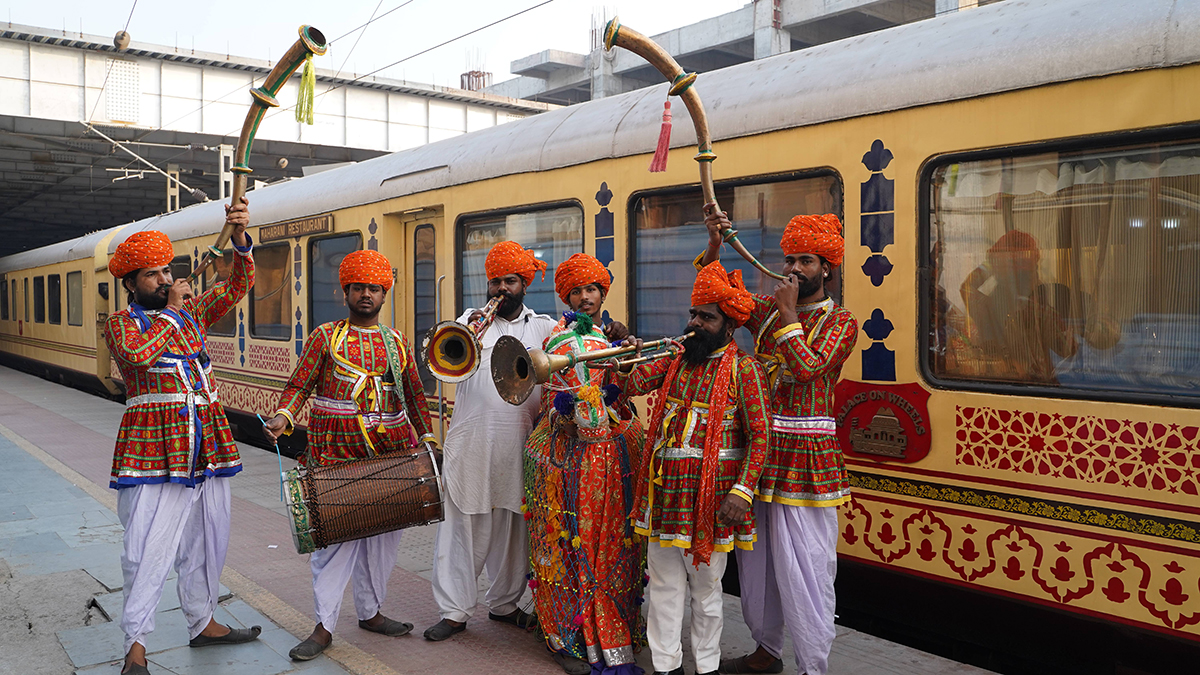
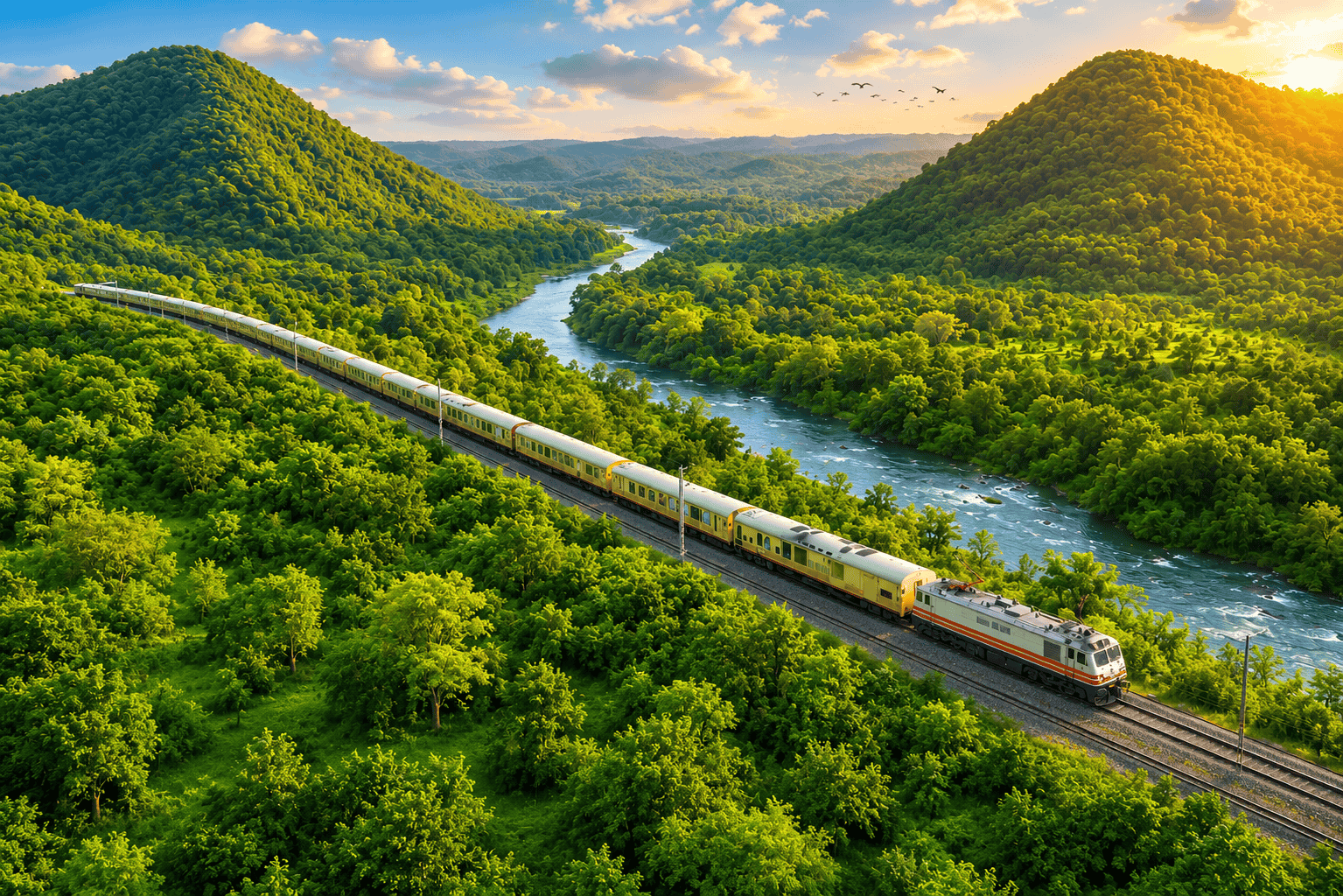
This is where Palace on Wheels becomes highly relevant. As one of the most iconic Luxury Trains in India, it represents exactly what modern premium travelers seek—comfort, exclusivity, seamless travel, cultural immersion, and stress-free luxury. Instead of treating transportation as a tiring necessity, Palace on Wheels transforms travel itself into one of the most memorable parts of the vacation.
Unlike conventional luxury tours where travelers constantly manage flights, hotel check-ins, luggage transfers, and road journeys, Palace on Wheels simplifies everything into one curated experience. Guests unpack once and continue their journey in comfort while their luxury accommodation travels with them. This dramatically reduces hidden travel fatigue, including packing fatigue, airport fatigue, transition fatigue, and decision fatigue.
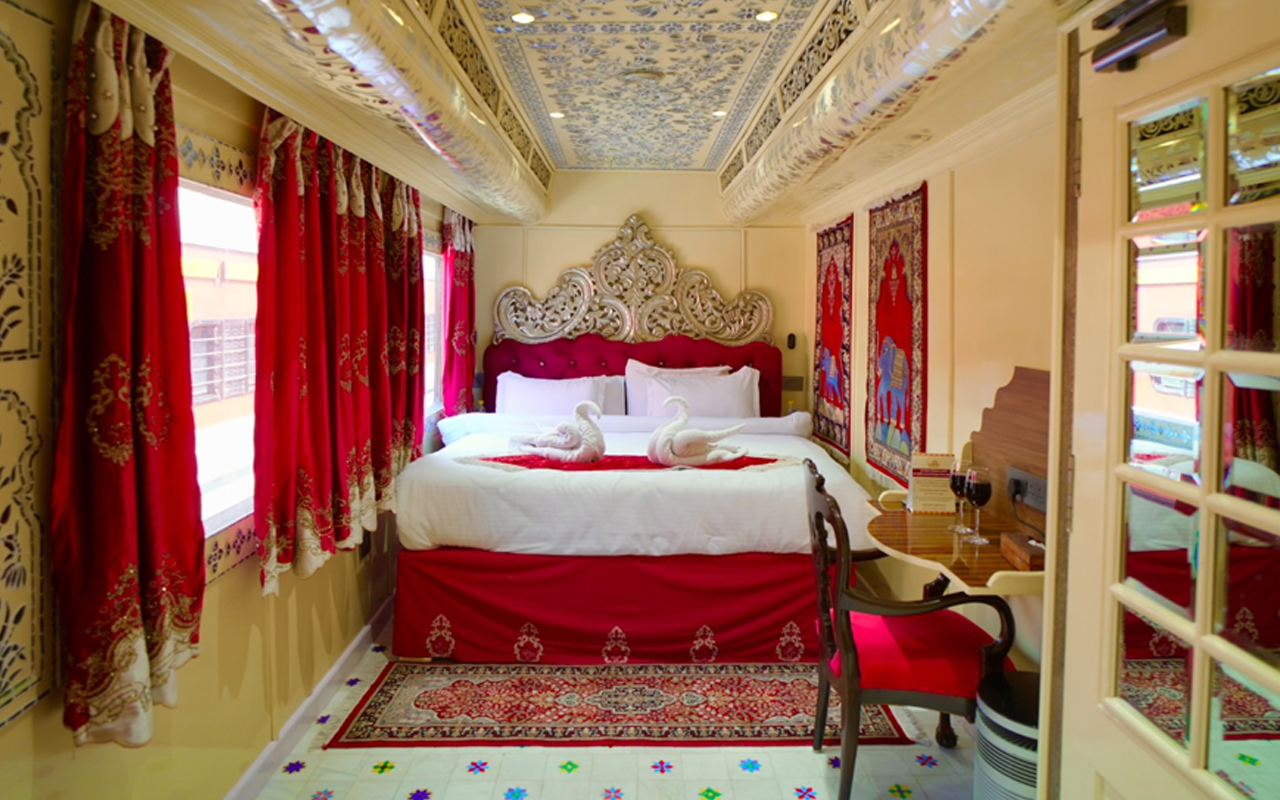
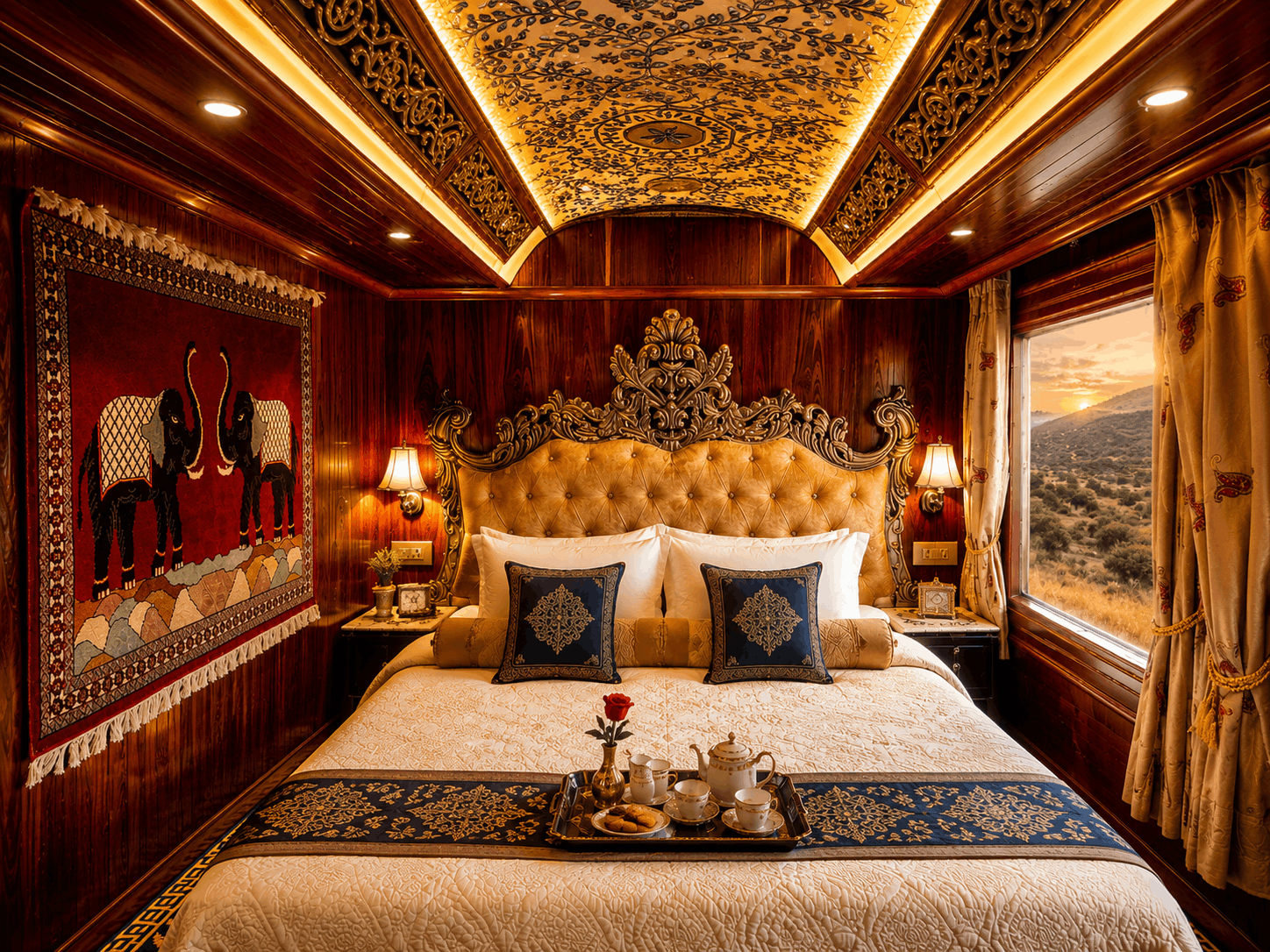
One of the most impressive aspects of Palace on Wheels is its premium cabin experience. The train offers beautifully designed cabins inspired by royal heritage, combining classic elegance with modern comfort. Instead of repeatedly adjusting to different hotel rooms, guests enjoy a consistent luxury environment throughout the journey. This continuity creates both physical and psychological comfort.
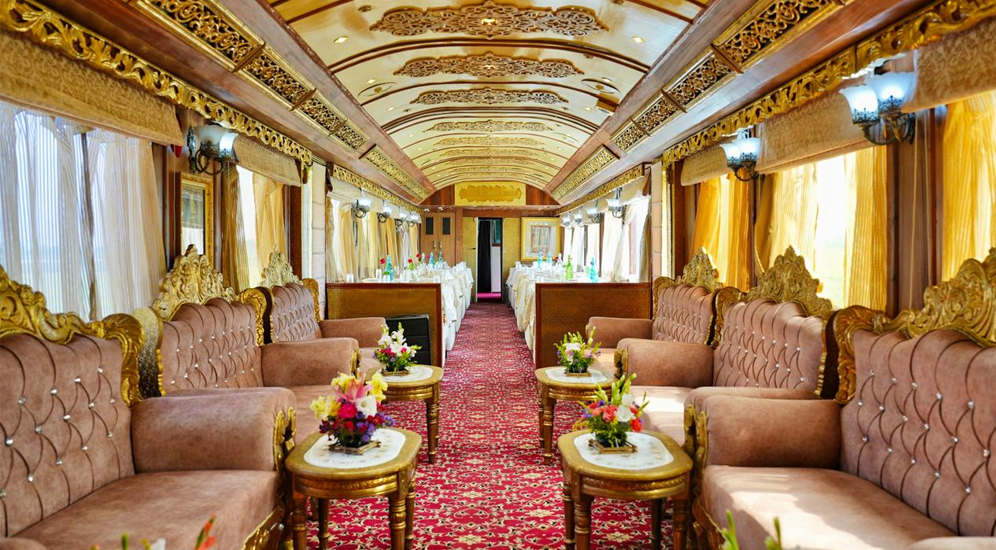
The onboard experience goes far beyond accommodation. Palace on Wheels offers elegant luxury dining through its beautifully designed restaurants, where guests enjoy curated gourmet meals in a royal ambience. Dining becomes more than just eating—it becomes part of the journey itself. The train also features premium lounge and bar facilities where travelers can relax, socialize, and unwind in a sophisticated setting while enjoying the slow rhythm of travel.
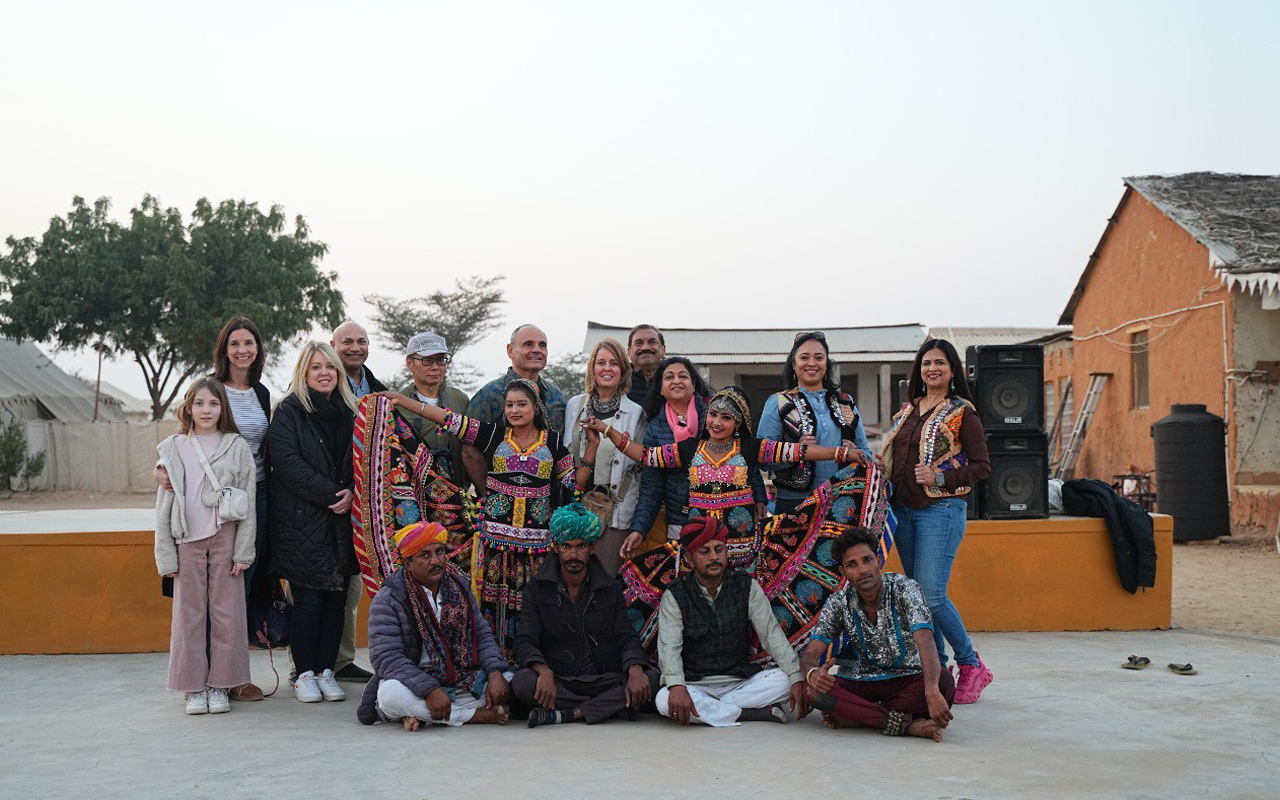
Entertainment and cultural immersion further enhance the experience. Guests often enjoy music, cultural performances, warm hospitality, and social interaction that make travel hours lively and memorable. Rather than feeling like transit time, every hour onboard contributes to the overall luxury experience.
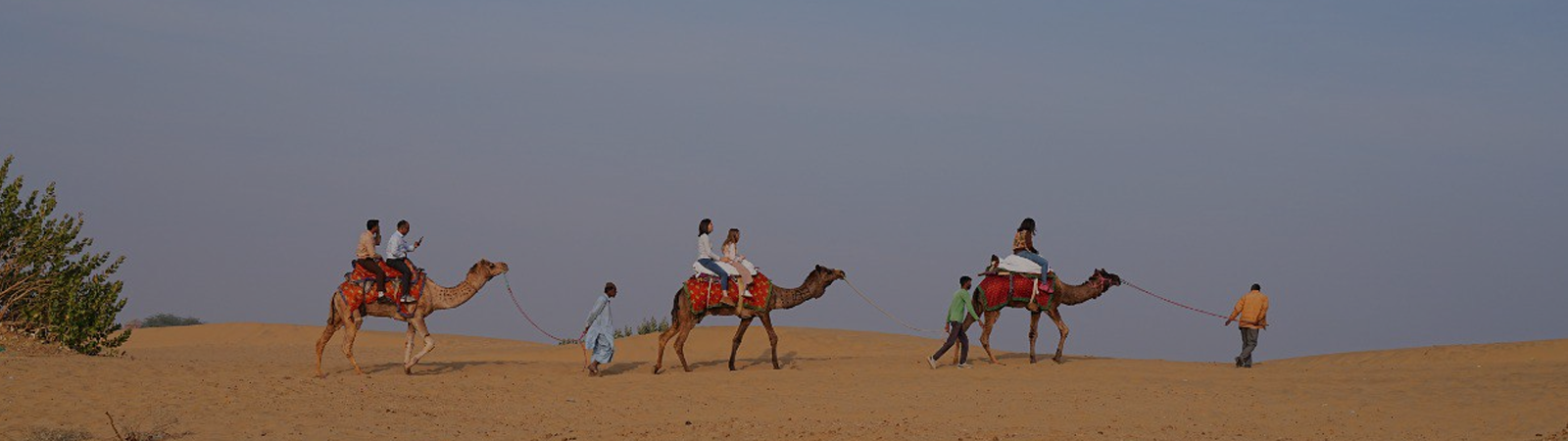
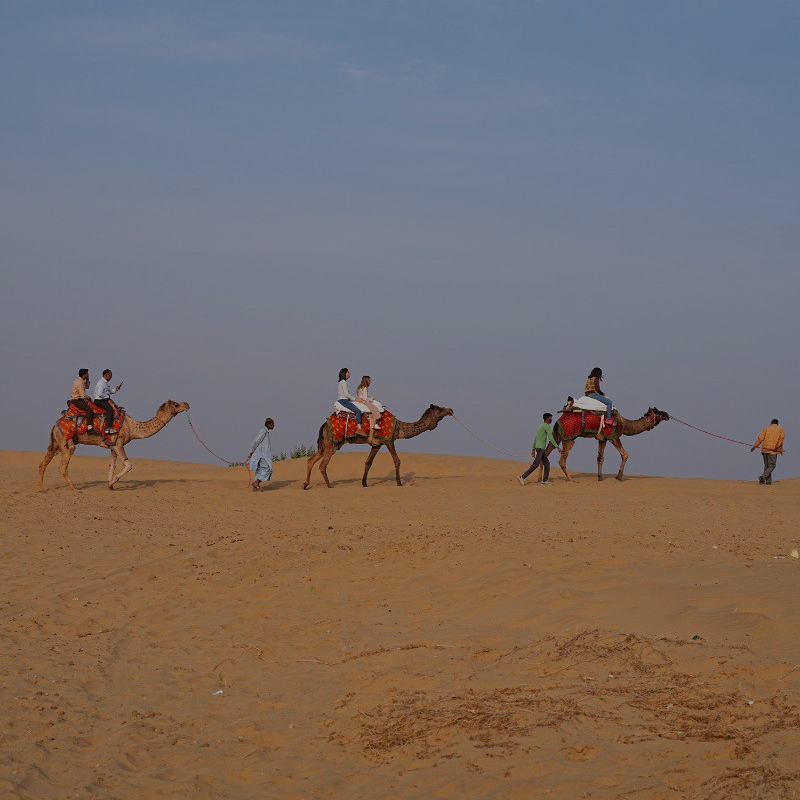
The off-train experience is equally rich. Guests explore historic cities, royal forts, heritage landmarks, wildlife zones, and vibrant local markets across Rajasthan. Visiting local bazaars allows travelers to experience authentic culture, local craftsmanship, and traditional lifestyles beyond surface-level tourism. This creates a deeper emotional connection with the journey.
This combination of heritage, luxury, culture, comfort, and seamless mobility makes Palace on Wheels truly special. In many ways, it represents the future of premium tourism because it aligns perfectly with what affluent travelers value today: less stress, more comfort, deeper experiences, greater privacy, and effortless luxury.
That is why many global travelers consider Palace on Wheels not only a legendary Luxury Train in India, but also one of the most iconic Luxury Trains in the World.
| Travel Factor | Fast Travel | Slow Luxury Travel |
|---|---|---|
| Stress Level | High | Low |
| Decision Fatigue | High | Low |
| Comfort | Moderate | High |
| Experience Quality | Surface-Level | Deep |
| Relaxation | Limited | Strong |
The future of premium tourism is not about moving faster—it is about traveling better. Luxury travelers increasingly understand that the most valuable journeys are not always the fastest ones. The best journeys are those that feel meaningful, effortless, restorative, and emotionally rewarding.
Slow travel delivers exactly that. In a world obsessed with speed, slowing down has quietly become one of the greatest luxuries of all.
ANS.: Slow travel is a travel philosophy that focuses on experiencing the journey more deeply rather than rushing between multiple destinations. Instead of trying to cover many places in a short time, travelers spend more time in fewer destinations to enjoy local culture, food, heritage, and lifestyle more meaningfully. Slow travel emphasizes comfort, relaxation, emotional connection, and quality experiences over speed, making travel more memorable and less stressful.
ANS.: Slow travel is becoming increasingly popular because modern travelers now value meaningful and stress-free experiences more than fast-paced sightseeing. Many people return from traditional vacations feeling tired due to constant movement, tight schedules, and travel logistics. Slow travel reduces this fatigue by allowing travelers to relax, enjoy the journey, and connect more deeply with destinations, making vacations feel more refreshing and rewarding.
ANS.: Yes, slow travel has become an important part of modern luxury tourism. Earlier, luxury was often associated with expensive hotels and premium products, but today luxury increasingly means peace, privacy, comfort, and effortless experiences. Slow travel aligns perfectly with this shift because it allows travelers to enjoy premium comfort, deeper immersion, and stress-free journeys rather than constantly rushing from one destination to another.
ANS.: Slow travel reduces stress by minimizing rushed schedules, repeated transitions, and constant decision-making during vacations. Travelers face fewer urgent choices related to transport, hotel changes, and daily planning, which lowers mental fatigue. By reducing logistical pressure and allowing more breathing space, slow travel creates a calmer experience where travelers can focus on relaxation, wellness, and enjoying the journey itself.
ANS.: Premium travelers increasingly prefer slow travel because it offers something modern luxury travelers value most—privacy, comfort, exclusivity, and emotional satisfaction. Instead of maximizing the number of destinations, affluent travelers often prioritize deeper experiences and seamless journeys. Slow travel helps reduce fatigue, improves relaxation, and creates a more meaningful travel experience, making the journey feel as valuable as the destination.
ANS.: Yes, slow travel is highly beneficial for wellness because it supports mental relaxation, emotional recovery, and better overall wellbeing. Modern life is filled with stress, screen exposure, and constant pressure, which is why many travelers now seek vacations that help them recharge. Slow travel provides more rest, less stress, better sleep, and a stronger sense of calm, making it ideal for wellness-focused tourism.
ANS.: Yes, transportation plays a major role in premium tourism because it directly affects comfort, stress levels, and the overall travel experience. Poor transportation can create fatigue through delays, transfers, and constant movement, even during luxury vacations. Modern premium travelers increasingly want transportation to feel seamless and enjoyable, which is why luxury trains, private transfers, and curated travel experiences are becoming more desirable.
ANS.: Yes, Palace on Wheels is widely recognized as one of the most iconic Luxury Trains in India. Operated under Rajasthan Tourism, it offers a royal travel experience featuring premium cabins, heritage-inspired interiors, luxury dining, personalized hospitality, and curated journeys across Rajasthan. It is also frequently regarded as one of the most prestigious luxury rail journeys in the world.
ANS.: Palace on Wheels is unique because it combines royal heritage, luxury hospitality, cultural immersion, and seamless travel in one experience. Guests enjoy premium cabins, elegant onboard dining, lounge and bar facilities, cultural performances, and visits to historic cities, royal forts, wildlife destinations, and local markets. This combination of heritage and luxury makes it one of the most distinctive luxury train experiences globally.
ANS.: The official website of Palace on Wheels is palaceonwheels.rajasthan.gov.in. Travelers can visit the official website to check itineraries, departure schedules, cabin categories, fares, inclusions, booking details, and other important travel information related to the luxury train journey.